

When it comes to packaging, two materials stand out: stretch film and shrink film. Both play a vital role in keeping products secure during storage and transit. However, understanding the differences between stretch film and shrink film is crucial for selecting the best wrapping solution for your specific needs. This article will provide an in-depth comparison of these two materials and guide you in choosing the right option for your business. We’ll also highlight the applications, pros, and cons of each, ensuring you have a comprehensive understanding of both stretch film and shrink film.
What Is Stretch Film?
Stretch film is a highly elastic plastic wrap made from linear low-density polyethylene (LLDPE). It’s primarily used to secure products on pallets during transport and storage. The unique feature of stretch film is its ability to stretch and wrap tightly around items, offering exceptional load stability.
How Does Stretch Film Work?
Stretch film is applied by stretching it around a load. The film’s elasticity helps it cling tightly to the products, ensuring they remain secure during transportation. This is especially important for palletized goods, where maintaining load stability can prevent damage or loss.
Applications of Stretch Film
Stretch film is commonly used in industries such as:
- Warehousing and logistics: Stretch film is often used to secure items on pallets, ensuring stability during long hauls or warehouse storage.
- Industrial packaging: Protects products from dust, moisture, and damage during shipment.
- Food and beverage: Ensures bulk items are kept secure during transportation.
Advantages of Stretch Film
- Cost-effective: Stretch film is relatively inexpensive, making it a popular choice for large-scale packaging.
- No heat required: Unlike shrink film, stretch film doesn’t need heat to work, reducing energy costs.
- Load stability: Stretch film provides excellent stabilization for palletized goods, helping prevent items from shifting or falling.
- Versatility: It can wrap around irregular-shaped products with ease, offering flexibility across various applications.
What Is Shrink Film?
Shrink film, like stretch film, is made from polyethylene materials but functions differently. Shrink film requires heat to shrink tightly around a product, creating a secure seal. It’s commonly used for packaging individual products or bundling smaller items together.
How Does Shrink Film Work?
Shrink film is applied loosely around the product and then exposed to heat, typically from a heat gun or a shrink tunnel. As the film heats up, it shrinks tightly around the item, forming a secure, tamper-resistant seal. This method is popular in industries that require product visibility, as shrink film is often clear and allows customers to see the items within.
Applications of Shrink Film
Shrink film is widely used in sectors such as:
- Retail packaging: Shrink film provides a clear, protective layer around products, making it a favorite for retail displays.
- Food packaging: In the food industry, shrink film is used to bundle products like bottled water or wrap fresh produce.
- Consumer electronics: Shrink film is often used to package individual electronics, protecting them from dust and moisture.
Advantages of Shrink Film
- Tight, secure wrap: Shrink film provides a snug fit around products, offering excellent protection against tampering, dust, and moisture.
- Product visibility: Shrink film’s transparency makes it ideal for retail packaging, allowing customers to see the product inside.
- Protection: The heat-sealed wrap offers additional protection for items that may be vulnerable to damage during transportation or storage.
Key Differences Between Stretch Film and Shrink Film
Though both stretch film and shrink film serve similar purposes in packaging, their applications and mechanisms are different. Here’s how they compare:
|
Feature |
Stretch Film |
Shrink Film |
| Application Method | Manually or with machines by stretching the film | Requires heat to shrink around items |
| Material Composition | Linear low-density polyethylene (LLDPE) | Polyethylene, polyvinyl chloride (PVC), or polyolefin |
| Primary Use | Pallet wrapping and load stabilization | Bundling and protecting individual items |
| Equipment Needed | Stretch wrapping machine (optional) | Heat gun or shrink tunnel |
| Cost | More cost-effective for large loads | More expensive due to heat requirements |
| Load Type | Suitable for securing large pallet loads | Ideal for wrapping smaller, individual items |
Stretch film works by stretching and clinging to products, while shrink film requires heat to create a tight seal around items. Additionally, stretch film is primarily used for pallet wrapping, whereas shrink film is more common for bundling small products or protecting individual items.

Applications of Stretch Film and Shrink Film in Various Industries
Stretch Film Applications
- Logistics and Warehousing: Stretch film is ideal for stabilizing large pallet loads during long-haul transportation or while in storage. It keeps the items in place, preventing damage or loss during transit.
- Food and Beverage: Used in bulk packaging, stretch film ensures that products remain intact and free from contamination.
- Manufacturing: Stretch film is often used to secure raw materials and finished goods, ensuring they are protected from external elements like dust or moisture.
Shrink Film Applications
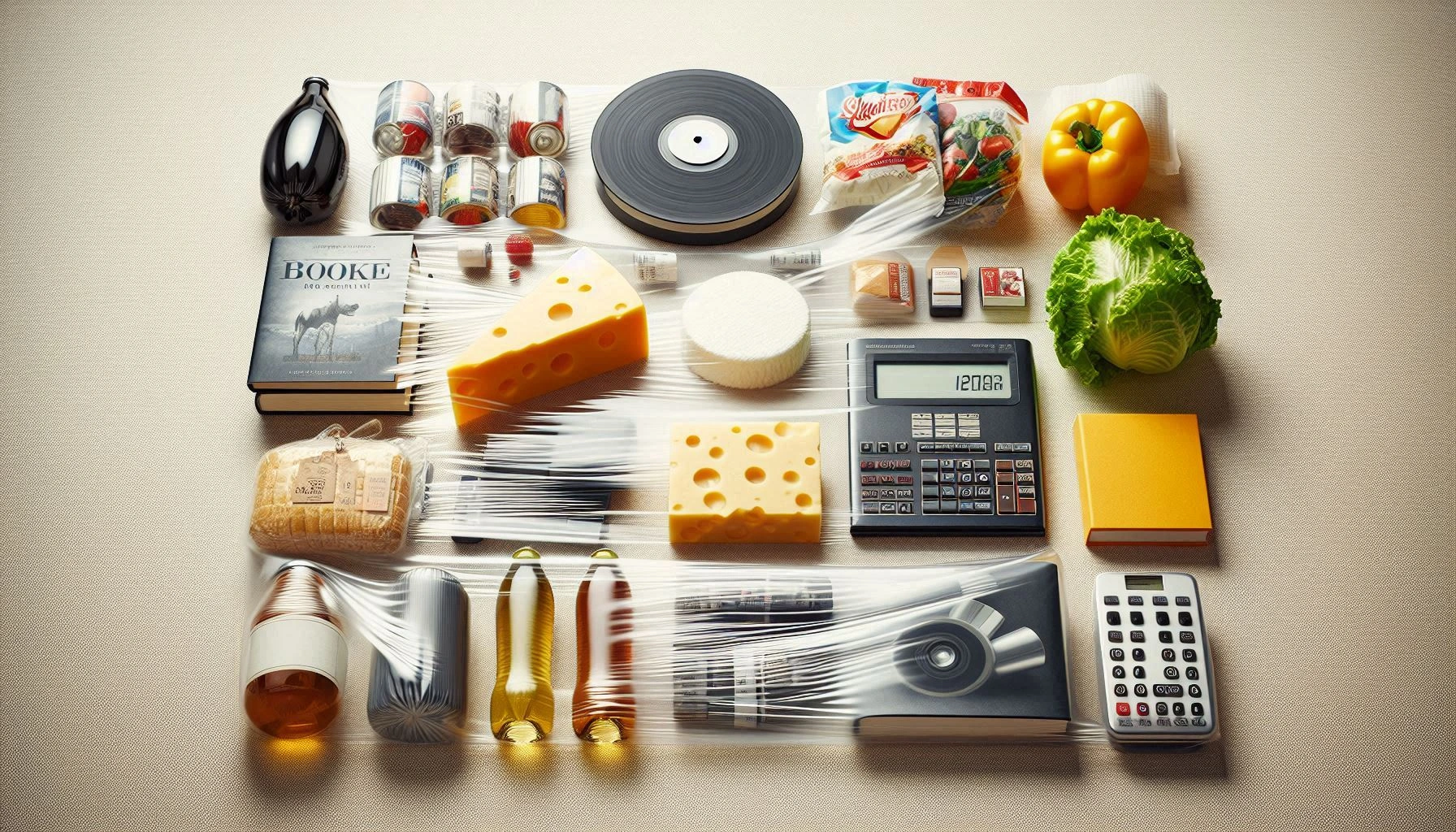
- Retail: Shrink film is often used to package items like books, DVDs, and small consumer goods. Its clear material provides a clean, presentable appearance for retail shelves.
- Food Packaging: Shrink film is a favorite in food packaging, where it is used to wrap products like cheese, fresh produce, and multipacks of beverages.
- Consumer Goods: For individual packaging of electronics or home goods, shrink film provides a protective layer that shields against dust and moisture, while ensuring a tamper-evident seal.
Pros and Cons of Using Stretch Film for Wrapping
|
Pros |
Cons |
| Cost-effective for large-scale operations | Not as tight-fitting as shrink film for smaller items |
| No heat application required | Limited visibility for product displays |
| Provides excellent load stabilization | Requires machinery for large operations |
| Can be manually applied for smaller loads | |
| Versatile, wraps around irregular shapes |
Key Takeaways
- Stretch film offers an economical option for securing large loads without needing heat application.
- It provides flexibility in packaging irregular-shaped items.
- Its primary drawback is that it doesn’t provide the same tight, aesthetic fit as shrink film, especially for smaller items.
Pros and Cons of Using Shrink Film for Wrapping
|
Pros |
Cons |
| Provides a tight, secure wrap | Requires heat application, increasing operational costs |
| Transparent, allows for product visibility | More expensive than stretch film due to material and machinery needs |
| Protects against moisture and tampering | Not ideal for wrapping large pallet loads |
| Commonly used for bundling small items |
Key Takeaways
- Shrink film excels in providing a tight, clear wrap for individual items, making it an ideal choice for retail and food packaging.
- However, its reliance on heat application makes it less cost-effective for wrapping large quantities of goods.
Choosing the Right Film: Stretch Film vs. Shrink Film
When deciding between stretch film and shrink film, it’s important to consider the type of products you’re packaging, your budget, and the equipment available. If you need to stabilize large pallet loads, stretch film offers a cost-effective, versatile solution. On the other hand, if your priority is creating a clean, professional appearance for individual products, shrink film is the better option.
Key factors to consider include:
- Load size and shape: Stretch film works well for large, irregular loads, while shrink film is ideal for smaller items that require a tight fit.
- Equipment availability: Shrink film requires heat for application, so you’ll need a heat gun or shrink tunnel. Stretch film, on the other hand, can be applied manually or with basic machinery.
- Cost: If budget constraints are a concern, stretch film tends to be more economical, especially for large-scale operations.
The Future of Shrink Film and Stretch Film in Packaging
As businesses and industries continue to seek more sustainable packaging solutions, both stretch film and shrink film are undergoing innovations. Manufacturers are exploring biodegradable and recyclable options, reducing the environmental impact of both films. These eco-friendly alternatives aim to retain the functionality of traditional films while minimizing their footprint.
Both stretch film and shrink film have their unique advantages and disadvantages, depending on the packaging needs. While stretch film is better suited for large pallet loads and industrial packaging, shrink film is ideal for bundling smaller items and providing product visibility. By understanding the applications and differences of these two materials, businesses can make informed decisions to optimize their packaging processes and reduce costs.