


Single-use plastics have become a critical environmental concern, contributing significantly to global waste production and environmental degradation. Items such as plastic straws, cups, bags, and food packaging are designed for short-term use but persist in the environment for hundreds or even thousands of years. The impact of single-use plastics goes beyond simple waste; it affects ecosystems, wildlife, and even human health. In this article, we will explore the environmental impact of single-use plastics, discuss how long it takes for these materials to decompose, and highlight the devastating effects they have on oceans and marine life.
What Are Single-Use Plastics?
Single-use plastics refer to disposable plastic items designed to be used once before being discarded. These products include everyday items such as:
- Plastic bags
- Straws
- Cutlery
- Water bottles
- Packaging materials
While they offer convenience, the environmental impact of single-use plastics is long-lasting. Most of these items are not biodegradable, and they can take up to 1,000 years to decompose. During this time, single-use plastics break down into smaller particles known as microplastics, which contaminate water bodies and ecosystems, posing significant health risks to both wildlife and humans.
The Time It Takes for Single-Use Plastics to Decompose
One of the most significant environmental issues related to the impact of single-use plastics is the time it takes for them to decompose. Unlike natural materials such as paper or wood, plastics are resistant to environmental factors like sunlight, moisture, and microbial activity, which means they linger in the environment for extended periods.
For example:
- A plastic bag can take 10-20 years to decompose.
- Plastic straws may take around 200 years.
- Plastic bottles can take up to 450 years.
- Certain types of single-use plastics can take as long as 1,000 years to fully break down.
Even as these plastics degrade, they don’t disappear completely. Instead, they fragment into smaller pieces, becoming microplastics, which are just as harmful to the environment. The extensive lifespan of these materials means that every piece of single-use plastic ever made still exists in some form today, exacerbating the impact of single-use plastics on global waste management systems and ecosystems.
The Oceans and Plastic Pollution
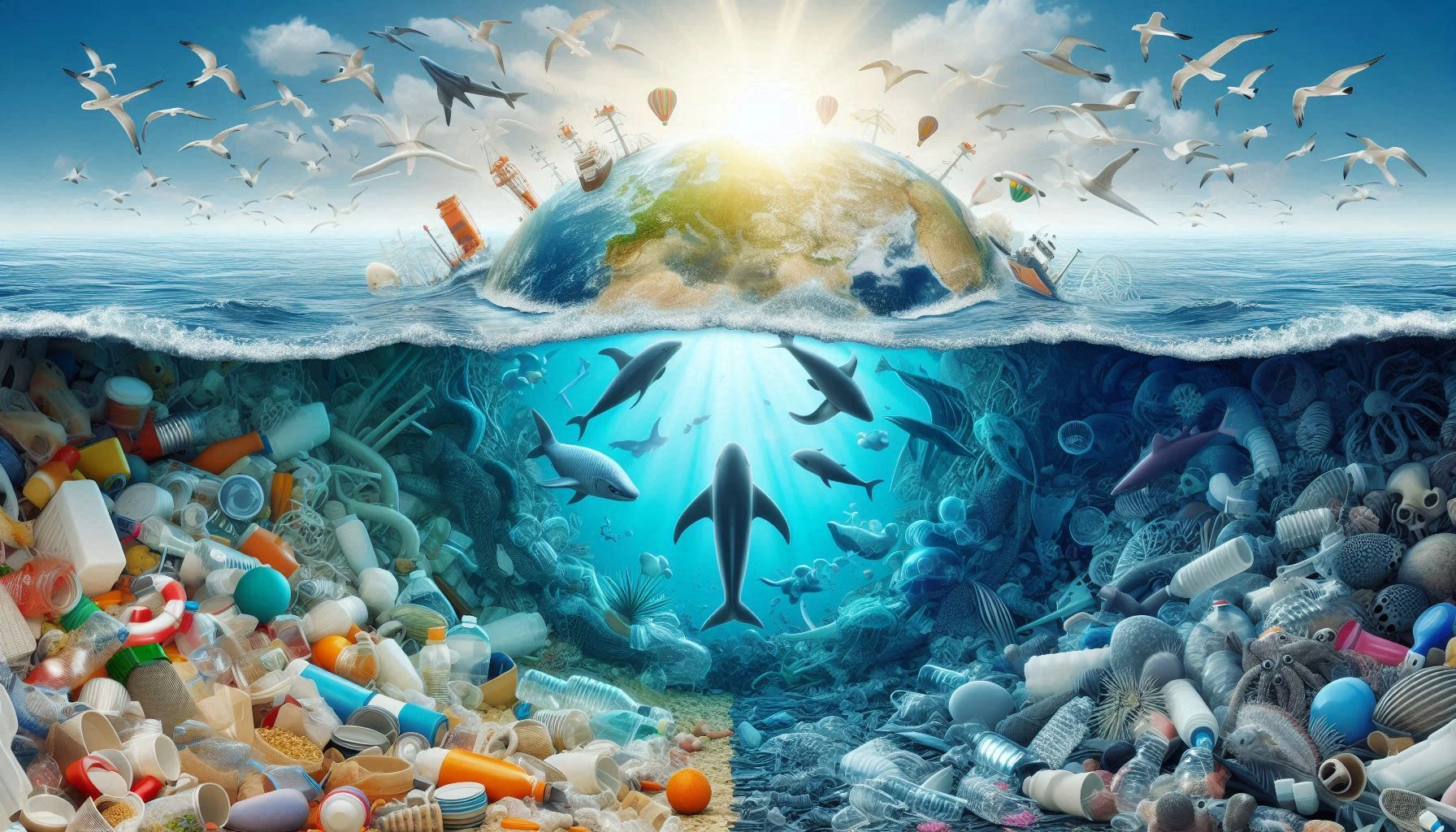
The oceans have become a primary dumping ground for single-use plastics, with millions of tons entering the seas every year. The impact of single-use plastics on marine environments is catastrophic, affecting both the water quality and the organisms that call the ocean home.
1. Marine Life at Risk
One of the most visible aspects of the impact of single-use plastics is the harm they cause to marine life. Sea turtles, fish, seabirds, and marine mammals often mistake plastic debris for food, ingesting it with fatal consequences. For example, sea turtles often confuse plastic bags with jellyfish, a common food source, leading to ingestion that blocks their digestive system. Similarly, seabirds feed on small plastic fragments, filling their stomachs with non-digestible materials, which can lead to starvation.
Entanglement is another significant issue. Fishing nets, plastic rings, and other forms of discarded single-use plastics trap marine animals, impairing their movement and ability to hunt. Many marine species face injuries or even death as a result of these interactions with plastic waste.
2. Microplastics in the Food Chain
The impact of single-use plastics goes beyond visible debris. As plastics break down into microplastics, they become even more dangerous, entering the food chain at the smallest levels. Fish and other marine species ingest these particles, and in turn, humans consume seafood contaminated with microplastics. These microplastics are known to contain toxic chemicals like BPA and phthalates, which can have serious health implications for both wildlife and humans. The presence of microplastics in the food chain exemplifies the far-reaching effects of plastic pollution, making the impact of single-use plastics a significant public health concern.
The Global Scale of Single-Use Plastic Waste
According to estimates, the world produces around 300 million tons of plastic annually, half of which is intended for single-use purposes. This staggering amount contributes to massive waste generation, with much of it ending up in landfills or, worse, in the natural environment. The impact of single-use plastics is felt worldwide, with both developed and developing nations grappling with the challenges of managing plastic waste effectively.
One of the most alarming aspects of the impact of single-use plastics is the sheer volume of waste produced and its long-term consequences. In 2021, it was estimated that approximately 8 million tons of plastic waste enter the oceans each year. If current trends continue, there could be more plastic than fish in the ocean by 2050. This growing crisis underscores the urgent need to address the impact of single-use plastics on a global scale.

The Challenges of Recycling Single-Use Plastics
While recycling is often seen as a solution to the impact of single-use plastics, the reality is that many of these items are not easily recyclable. Plastic recycling systems are often overwhelmed by the sheer volume of waste, and many types of single-use plastics cannot be efficiently recycled due to contamination, size, or material composition. For example, plastic straws, cutlery, and thin plastic bags are often too small or difficult to process in recycling facilities, leading them to be discarded as waste.
The low recycling rates for single-use plastics contribute to their negative environmental impact. In fact, only about 9% of all plastic ever produced has been recycled, with the rest ending up in landfills, incinerated, or littered in the environment. The challenges of recycling highlight the limitations of current waste management systems in addressing the impact of single-use plastics.
Reducing the Impact of Single-Use Plastics
As the environmental impact of single-use plastics becomes more apparent, efforts are underway to reduce reliance on these materials and mitigate their harmful effects. Governments, businesses, and consumers all play a crucial role in addressing this global issue.
1. Legislation and Bans
Many countries and cities around the world have enacted legislation to reduce the use of single-use plastics. For example, plastic bag bans have been implemented in countries like Kenya, France, and Bangladesh, while cities like Seattle and Vancouver have introduced bans on plastic straws and cutlery. These initiatives aim to curb the impact of single-use plastics by limiting their production and encouraging the use of more sustainable alternatives.
2. Corporate Responsibility
Businesses are also stepping up to address the impact of single-use plastics by adopting more sustainable practices. Many companies have pledged to reduce their use of plastic packaging, switch to biodegradable materials, or eliminate single-use plastics entirely. For example, large corporations like Starbucks and McDonald’s have introduced paper straws and biodegradable cups in response to growing environmental concerns.
3. Consumer Behavior
Consumers have a significant role to play in reducing the impact of single-use plastics. Simple actions, such as carrying reusable bags, refusing plastic straws, and choosing products with minimal packaging, can collectively make a difference. Public awareness campaigns are helping to educate consumers about the consequences of single-use plastics and the importance of making more sustainable choices.
Alternatives to Single-Use Plastics
While reducing the impact of single-use plastics requires collective action, the development of alternative materials is also crucial. Innovations in biodegradable plastics, reusable packaging, and compostable materials offer promising solutions to replace traditional plastic products.
1. Biodegradable Plastics
Biodegradable plastics are designed to break down more quickly than conventional plastics when exposed to natural environmental conditions. While these materials are not a perfect solution, they represent a step toward reducing the long-term impact of single-use plastics on the environment.
2. Reusable Products
Reusable alternatives, such as stainless steel straws, cloth shopping bags, and glass containers, offer a practical solution to reduce plastic waste. By choosing reusable products, consumers can significantly lower their contribution to the impact of single-use plastics.
3. Compostable Packaging
Compostable packaging materials, made from plant-based materials like cornstarch or sugarcane, are another alternative to single-use plastics. These materials decompose into natural elements, reducing the impact of single-use plastics on landfills and oceans.
Conclusion
The impact of single-use plastics on the environment is profound and far-reaching. From the production of massive amounts of waste to the harm caused to marine life and the challenges of plastic decomposition, single-use plastics are a growing global problem. While recycling efforts and innovations in sustainable materials offer some solutions, reducing the impact of single-use plastics requires a collective effort from governments, businesses, and consumers. By choosing alternatives and supporting policies that limit the use of single-use plastics, we can work towards a cleaner, more sustainable future for our planet.