

Choosing the right garbage bags for your home can significantly impact your daily waste management routine. Whether you’re aiming for durability to handle heavy loads, seeking eco-friendly alternatives to reduce your environmental footprint, or simply looking for bags that fit your trash bins perfectly, making an informed decision is crucial. In this guide, we’ll walk you through the various types of garbage bags available, including plastic, biodegradable, and compostable, highlighting the strengths and weaknesses of each to help you determine the best option for your household needs.
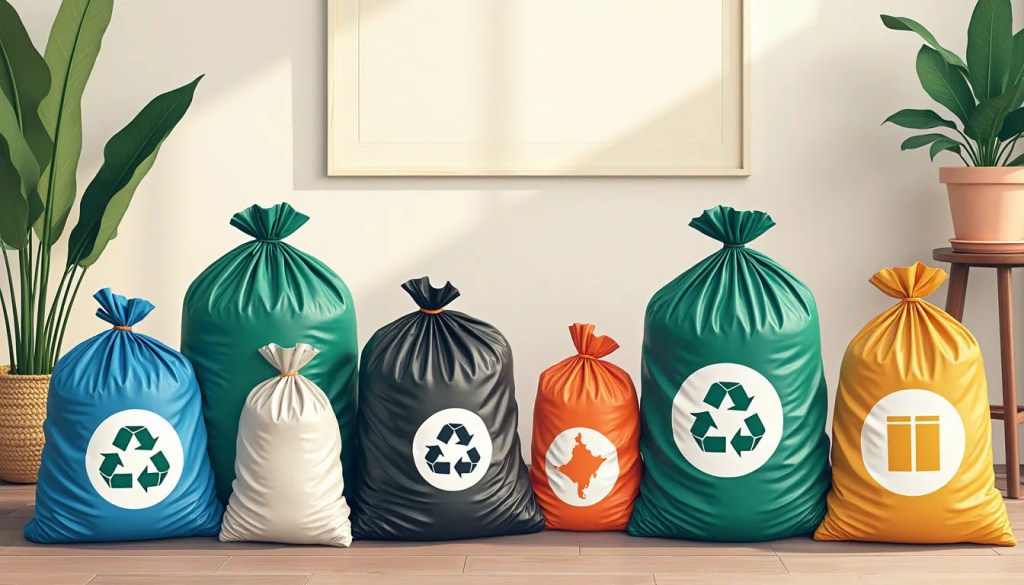
Understanding the different types of garbage bags is the first step in making the right choice. Plastic garbage bags are the most common and are known for their strength and capacity to hold heavy and wet waste without tearing. However, they are not environmentally friendly and contribute to plastic pollution. Biodegradable garbage bags offer a more sustainable alternative as they break down faster than regular plastic when exposed to natural elements. On the other hand, compostable garbage bags take eco-friendliness a step further by decomposing completely into natural materials that benefit the soil.
When selecting garbage bags, it’s essential to evaluate several key factors. Consider the size and capacity of the bags to ensure they fit your household trash bins and meet your waste disposal needs without constant overflow. The thickness and weight capacity of the bags are equally important to prevent leaks and tears, especially if your household generates a lot of heavy waste. Additionally, environmental considerations are critical in today’s conscious world. Opting for eco-friendly garbage bags and understanding proper disposal methods can significantly reduce your environmental impact and promote a greener lifestyle.
Choosing the right garbage bags goes beyond simply picking a packet off the store shelf. By understanding the different materials, evaluating your household’s needs, and considering environmental factors, you can make a decision that ensures efficiency, sustainability, and ease in your waste management routine.
Understanding Different Types of Garbage Bags
Overview of Materials: Plastic, Biodegradable, and Compostable Garbage Bags
Garbage bags come in a variety of materials, each catering to different needs and preferences. The primary types include plastic garbage bags, biodegradable garbage bags, and compostable garbage bags. Understanding the differences between these materials can help you make an informed choice that aligns with your household needs and environmental concerns.
Plastic Garbage Bags
Plastic garbage bags are the most commonly used type due to their durability, flexibility, and affordability. Typically made from polyethylene, plastic bags come in various thicknesses, ranging from thin kitchen bags to heavy-duty outdoor trash bags. They are designed to handle a wide variety of waste materials, making them a versatile option for households.
Biodegradable Garbage Bags
Biodegradable garbage bags are an eco-friendly alternative to traditional plastic bags. These bags are made from natural materials such as cornstarch, which break down more easily when exposed to the environment. They are designed to reduce the long-term impact on landfills and the environment by decomposing more quickly than conventional plastic bags.
Compostable Garbage Bags
Compostable garbage bags take environmental friendliness a step further. These bags are specifically designed to break down in a composting environment, turning into nutrient-rich compost that can be used to enrich soil. Made from renewable resources like vegetable-based materials, they offer a sustainable option for disposing of organic waste.
Comparing Strengths and Weaknesses of Each Type
Strengths of Plastic Garbage Bags
- Durability: Plastic garbage bags are known for their strength and flexibility, making them suitable for a variety of waste types.
- Cost-Effectiveness: They are generally cheaper compared to biodegradable and compostable options, making them a cost-effective choice for many households.
- Availability: Plastic bags are readily available in most stores, offering a convenient option for consumers.
Weaknesses of Plastic Garbage Bags
- Environmental Impact: Plastic bags contribute significantly to landfill waste and environmental pollution, as they take hundreds of years to decompose.
- Non-Renewable Resources: They are made from petroleum-based materials, which are not renewable.
Strengths of Biodegradable Garbage Bags
- Eco-Friendly: Biodegradable bags decompose more quickly than plastic bags, reducing their impact on landfills and the environment.
- Less Pollution: They break down into natural elements that cause less pollution compared to traditional plastic bags.
Weaknesses of Biodegradable Garbage Bags
- Cost: Biodegradable bags are often more expensive than plastic bags due to the use of natural materials and production processes.
- Durability: While more eco-friendly, biodegradable bags may not be as strong or durable as plastic bags, making them less suitable for heavy or sharp waste items.
Strengths of Compostable Garbage Bags
- Sustainability: Compostable bags are made from renewable resources and decompose into nutrient-rich compost, contributing to a circular waste system.
- Environmental Benefits: They significantly reduce landfill waste and environmental pollution.
Weaknesses of Compostable Garbage Bags
- Cost: Compostable bags tend to be the most expensive option due to their specialized materials and production.
- Limited Availability: They may not be as widely available as plastic or biodegradable bags, limiting consumer access.
Best Use Cases for Each Type of Garbage Bag Based on Household Needs
Plastic Garbage Bags
Plastic garbage bags are best suited for general household waste that doesn’t break down easily or quickly. These include:
- Regular kitchen waste such as food scraps, packaging, and non-recyclable items.
- Bathroom trash, including tissues, hygiene products, and plastic packaging.
- Outdoor waste, such as yard debris, leaves, and sticks.
Biodegradable Garbage Bags
Biodegradable garbage bags are ideal for those who wish to minimize their environmental footprint without compromising on convenience. They are perfect for:
- Light to moderate kitchen waste disposal, particularly when dealing with organic materials like food scraps and peelings.
- Office waste, including paper and small recyclable items.
- Biodegradable bags are a suitable choice for households committed to reducing plastic usage while still needing a practical waste disposal solution.
Compostable Garbage Bags
Compostable garbage bags are the best option for households focused on composting and sustainability. They are best used for:
- Organic waste, including fruit and vegetable scraps, coffee grounds, and other compostable kitchen waste.
- Garden waste such as leaves, small branches, and organic debris.
- Households with a compost bin or access to a municipal composting facility can fully leverage the benefits of compostable garbage bags.

Factors to Consider When Selecting Garbage Bags
Choosing the right garbage bags for your home is essential to maintaining cleanliness and efficiency in waste management. Several factors can influence your decision, ensuring you get the most suitable option for your household. Here we will explore these factors in detail to help you make an informed choice.
Evaluating Bag Size and Capacity for Various Household Trash Bins
The first and foremost factor to consider when selecting garbage bags is the size and capacity of the bags. It’s crucial that the bags you choose fit snugly into your trash bins to avoid spillage and ensure easy removal.
- Small Bags (5-10 gallons): These are ideal for smaller trash cans used in bathrooms, bedrooms, or offices. They can handle lightweight waste like tissues, paper, and small packaging.
- Medium Bags (12-20 gallons): Perfect for kitchen trash bins or medium-sized bins used in living areas. These bags can handle mixed household waste, including food scraps, packaging, and small items.
- Large Bags (30+ gallons): Best suited for outdoor bins, garage trash cans, or large households that generate significant waste. These bags are strong enough to handle bulky items, yard waste, and heavy materials.
Make sure to measure your trash bins and choose garbage bags that offer a bit more capacity than the bin size to allow room for tying and easy removal.
Importance of Bag Thickness and Weight Capacity to Prevent Leaks and Tears
An often overlooked but critical consideration is the thickness and weight capacity of garbage bags. The thickness of a garbage bag is usually measured in mils or microns, with thicker bags offering better durability and resistance to punctures and leaks.
- Lightweight Bags (0.5-0.7 mils): Suitable for lightweight waste such as paper, packaging, and other non-sharp items. These bags are often less expensive but can tear easily if overfilled.
- Medium Weight Bags (0.9-1.2 mils): These bags are a versatile option for most household needs. They can handle a mix of lightweight and moderately heavy waste without tearing easily.
- Heavy Duty Bags (1.5+ mils): Designed for heavy and sharp waste, such as yard clippings, construction debris, and broken items. They offer maximum durability and leak resistance.
Consider the type of waste you generate the most and opt for garbage bags with appropriate thickness to prevent messes and ensure cleanup is hassle-free.
Environmental Considerations: Eco-friendly Options and Proper Disposal Methods for Different Garbage Bags
Environmental impact is an increasingly important factor when selecting garbage bags. Eco-friendly options are available to reduce your household’s carbon footprint, promoting sustainability.
- Biodegradable Garbage Bags: Composed of materials that break down more rapidly than traditional plastic, biodegradable bags are an excellent option for reducing landfill waste. However, they may not be as strong as conventional plastic bags and often require specific conditions to decompose effectively.
- Compostable Garbage Bags: Made from plant-based materials, these bags are designed to break down in composting environments. Ideal for households that compost their organic waste, but keep in mind they may not be suitable for handling heavier or sharp items.
- Recycled Plastic Bags: These bags are manufactured using recycled plastic materials. They offer similar strength and durability as regular plastic bags while promoting recycling practices. Still, they may not decompose easily in landfills.
It’s imperative to understand the proper disposal methods for these different types of garbage bags. For example, compostable bags should only be disposed of in compost bins or facilities capable of processing them. On the other hand, while biodegradable bags are a step towards sustainability, they should be disposed of in appropriate waste streams to ensure they break down as intended.
By considering size, thickness, and environmental impact, you can select garbage bags that best meet your household needs while contributing positively to environmental sustainability. Evaluate these factors carefully to ensure that your choice of garbage bags strikes the right balance between functionality and eco-friendliness.
Selecting the right garbage bags for your home involves careful consideration of various factors to ensure functionality, efficiency, and environmental responsibility. Understanding the different types of garbage bags—plastic, biodegradable, and compostable—is essential. Each material comes with its own set of strengths and weaknesses, making specific types more suitable for particular household needs. For example, plastic bags often offer durability and strength, making them ideal for kitchen waste, while biodegradable and compostable bags are more eco-friendly options suitable for less heavy tasks or areas where environmental impact is a primary concern.
When choosing garbage bags, factors such as size, thickness, and weight capacity play pivotal roles. The size and capacity must align with your household trash bins to avoid frequent overflows and the inconvenience of changing bags too often. Bag thickness and weight capacity are crucial in preventing leaks and tears, especially when dealing with sharp or heavy trash items. Moreover, environmental considerations are increasingly vital. Opting for eco-friendly options like biodegradable or compostable bags helps reduce your household’s environmental footprint. Proper disposal practices should be followed for different types of garbage bags to ensure that their benefits on sustainability are fully realized.
In essence, the right garbage bags for your home depend on balancing practical needs with environmental responsibilities. By evaluating material type, bag size, thickness, and disposal methods, you can make informed decisions that cater to your household’s specific requirements while promoting a more sustainable future.