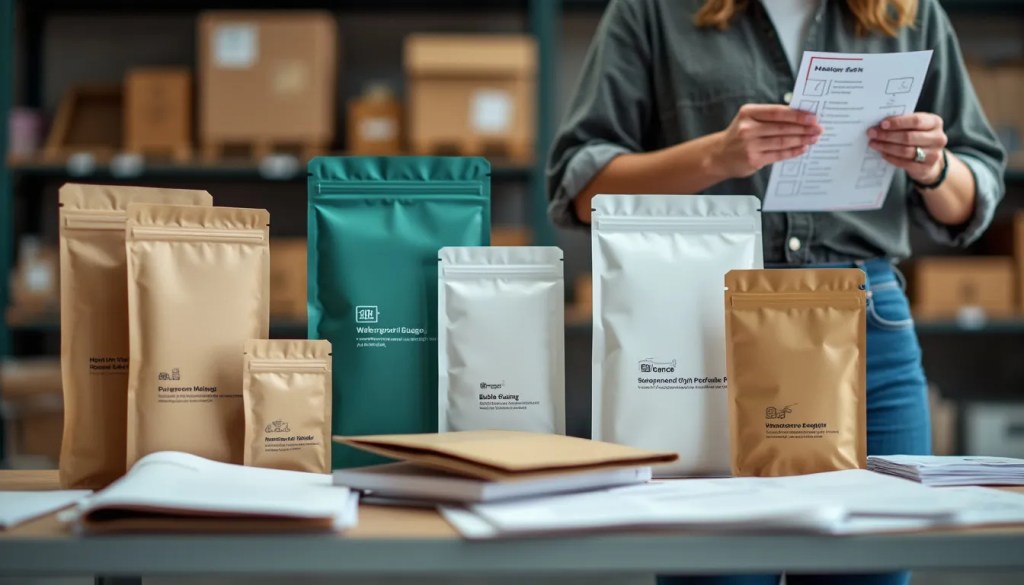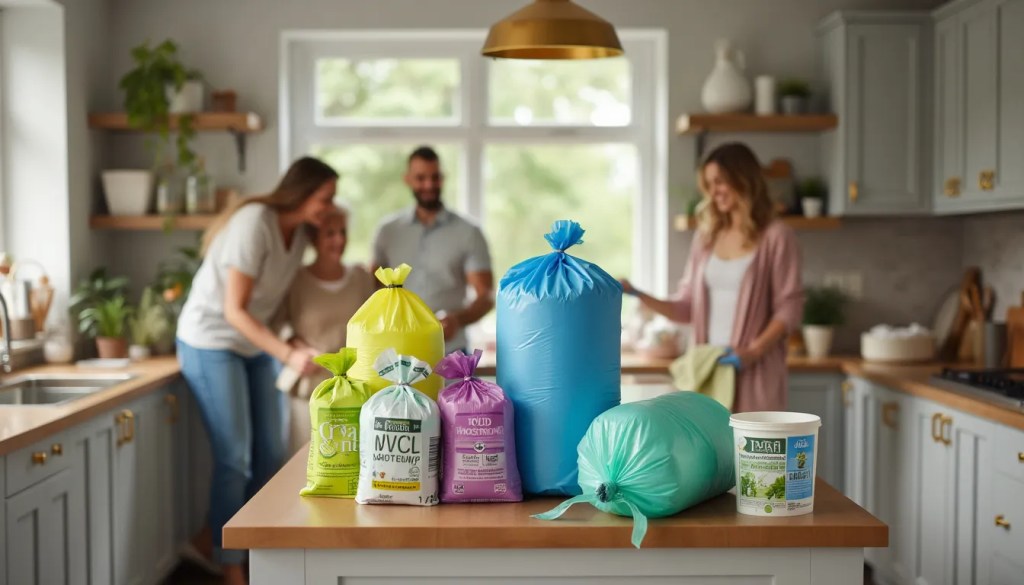

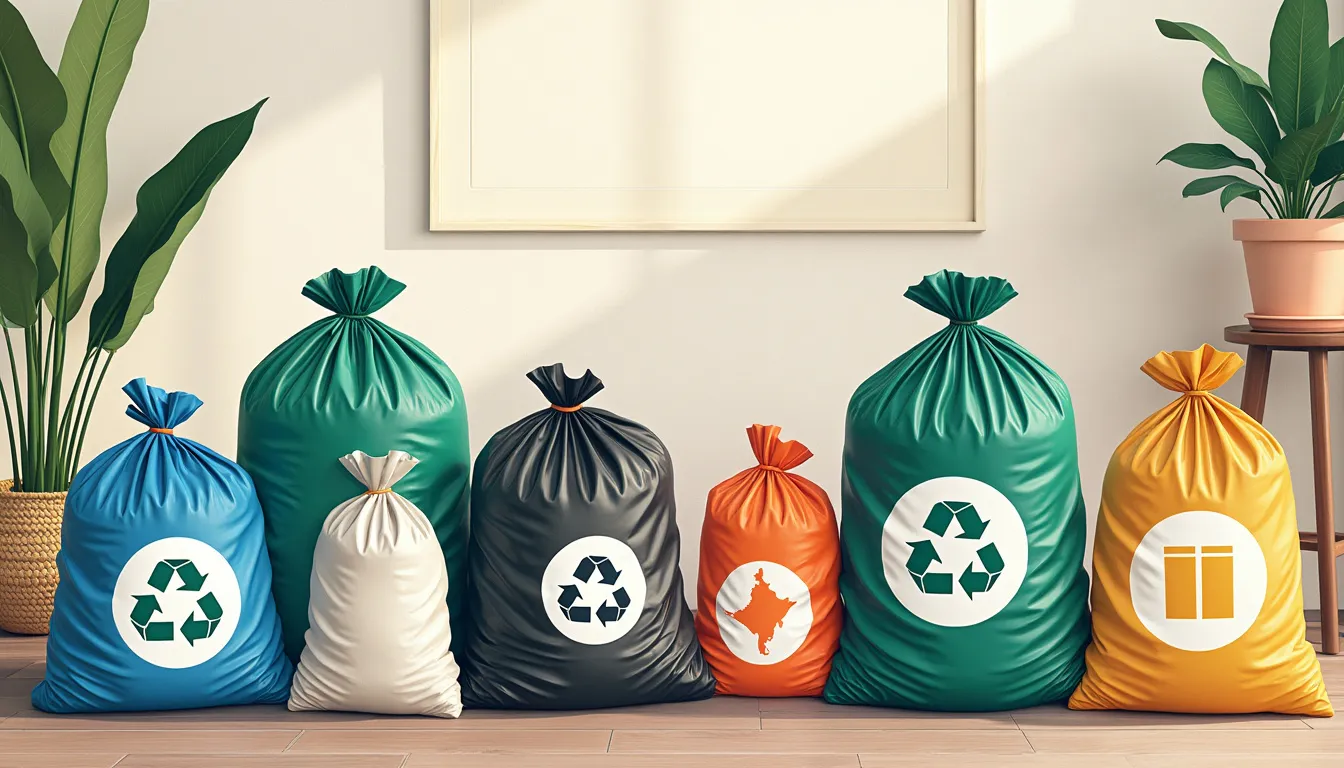
When it comes to maintaining cleanliness and order in our homes and workplaces, one essential yet often overlooked component is the trash bag. Selecting the right trash bag for various needs isn’t just about convenience—it can impact your wallet and the environment significantly. From biodegradable and heavy-duty options to specialized bags for kitchen or yard waste, understanding the many types of trash bags available can guide you in making informed decisions. This comprehensive guide will explore the various kinds of trash bags on the market today, diving into their unique features and ideal uses. Additionally, we’ll offer valuable advice on how to choose the perfect trash bag for specific tasks, considering factors like size, strength, and material properties.
One aspect often neglected in the quest for an ideal trash bag is balancing cost-efficiency with environmental responsibility. Our guide will provide insights into cost-effective strategies such as bulk buying, subscription services, and the benefits of reusable options. We’ll also shine a light on the environmental impact of your trash bag choices, offering recommendations for eco-friendly alternatives like compostable bags and those made from recycled materials. By making smarter choices, you not only save money in the long run but also contribute to a cleaner, greener planet. Your journey to finding the perfect trash bag starts here, paving the way for both practical solutions and environmentally conscious decisions.
Types of Trash Bags and Their Uses
Choosing the right trash bags for your needs can significantly improve waste management in your home, office, or industrial site. There is a wide array of trash bags available in the market, each designed to address specific requirements. In this section, we will explore various kinds of trash bags such as biodegradable, heavy-duty, and scented options, and highlight the unique features and best use cases for each type. Additionally, we will provide guidance on selecting the right trash bag based on specific needs like kitchen waste, yard waste, recycling, and industrial use. We’ll cover factors such as size, strength, and material properties to help you make an informed decision.
Biodegradable Trash Bags
Biodegradable trash bags are designed to break down over time when exposed to natural elements, making them a more environmentally friendly option. These bags are typically made from organic materials such as cornstarch or other plant-based substances. They are ideal for households that are conscious about their carbon footprint and are looking for sustainable waste disposal solutions. Biodegradable bags work well for light to moderate waste types, such as kitchen scraps and organic yard waste, but may not be suitable for heavy or sharp objects due to their material composition.
Heavy-Duty Trash Bags
For tougher jobs that involve heavy, bulky, or sharp waste items, heavy-duty trash bags are the way to go. Made from thicker plastic materials such as low-density polyethylene (LDPE), these bags are engineered for maximum durability and puncture resistance. Heavy-duty trash bags are perfect for industrial sites, construction debris, or large household cleanups like garage overhauls. They’re available in various sizes, from 30-gallon bags for small cleanups to 55-gallon bags for significant waste collection.
Scented Trash Bags
Scented trash bags are designed to help control and mask unpleasant odors that can emanate from your waste, making them an excellent choice for kitchen use. These bags often come infused with pleasant fragrances like lavender, citrus, or fresh linen. Scented trash bags are typically made from standard plastic materials and offer moderate strength. They are ideal for households looking to maintain a fresh-smelling kitchen environment while ensuring effective waste containment.
Trash Bags for Kitchen Waste
The kitchen is one area where choosing the right trash bag is crucial. Opt for bags that are leak-proof and strong enough to handle organic waste, food scraps, and occasional broken glass or other sharp objects. Scented or unscented options are available depending on your preference. Consider a bag with drawstrings for added convenience when removing the trash. Typically, 13-gallon bags are standard for most kitchen trash bins, but you may need to adjust size based on your bin’s dimensions.
Trash Bags for Yard Waste
Yard waste bags are specifically designed to collect grass clippings, leaves, twigs, and other outdoor debris. These bags are usually larger, often around 30 to 50 gallons, and are made from durable materials to withstand the weight and moisture content of organic yard waste. Some versions are biodegradable, which adds an eco-friendly advantage for the environmentally conscious gardener. For heavy or stick-laden yard waste, consider opting for a heavy-duty version to prevent tears and leaks.
Trash Bags for Recycling
Recycling bags differ from regular trash bags as they are typically transparent or blue to distinguish recyclables from other waste. Choose bags that are sturdy enough to handle items like plastic bottles, glass jars, and paper products. These bags should also be sufficiently large, generally around 30 to 50 gallons, to accommodate the bulkiness of recyclable materials. Additionally, recyclable trash bags made from post-consumer recycled plastic can further support your environmental efforts.
Trash Bags for Industrial Use
Industrial settings often generate a substantial amount of waste, including heavy, bulky, or hazardous materials. For such environments, select heavy-duty or contractor-grade trash bags that offer superior strength and puncture resistance. These bags are typically made from high-density polyethylene (HDPE) or low-density polyethylene (LDPE) and come in larger sizes, often exceeding 55 gallons. Some industrial trash bags also feature reinforced gussets to better manage the load and minimize the risk of tearing.
Factors to Consider: Size, Strength, and Material Properties
Size: The size of the trash bag should correspond with the volume and type of waste you’re dealing with. For instance, kitchen trash bags are generally 13 gallons, while yard and industrial trash bags can range from 30-55 gallons or more.
Strength: Your choice of bag strength should match the nature of the waste. Lightweight bags are suitable for general household waste, while heavy-duty bags are essential for construction debris, yard waste, or other heavy or sharp materials.
Material Properties: Depending on your needs, you may opt for biodegradable materials to be more eco-friendly, or choose thicker, reinforced plastic for heavy or sharp waste. Understanding the material properties will help you select the best bag for longevity and efficiency.
By considering these factors and understanding the various types of trash bags available, you can efficiently manage waste for any specific need, ensuring clean, functional, and environmentally friendly practices in your home or workplace.
How to Save Money and the Environment with Smart Trash Bag Choices
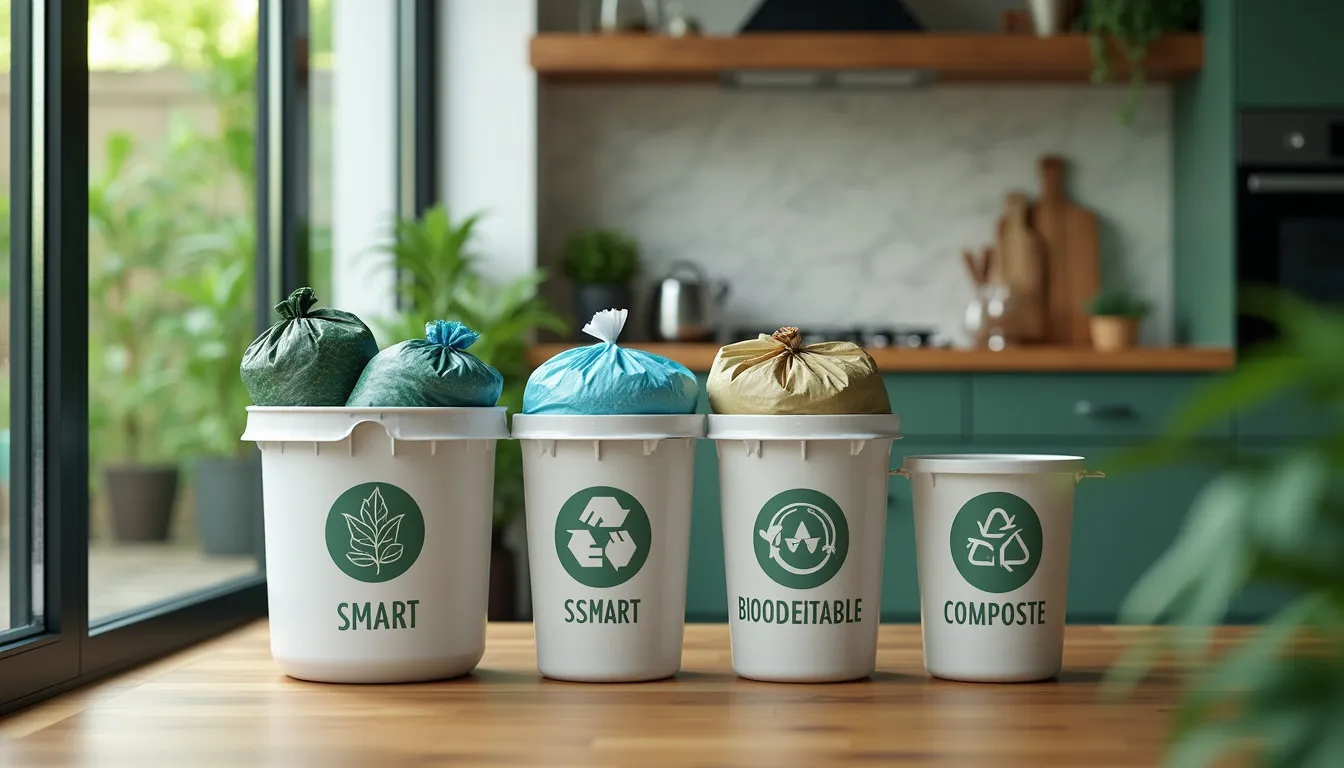
In today’s world, being conscious about our waste management choices can lead to significant savings and a positive environmental impact. When it comes to trash bags, making smart decisions can help you benefit both your wallet and the planet. Below, we’ll discuss some cost-effective strategies for purchasing trash bags and explore eco-friendly options that contribute to a greener lifestyle.
Cost-Effective Strategies for Buying Trash Bags
Firstly, let’s focus on how you can save money when purchasing trash bags. The simplest way to cut costs is to buy in bulk. Purchasing trash bags in larger quantities often provides a substantial discount compared to buying smaller packs. Many retailers offer bulk packages that decrease the cost per bag significantly, making it a money-savvy choice for households and businesses alike.
Another strategy is to subscribe to trash bag delivery services. Subscription services not only ensure that you never run out of trash bags but also often come with discounts and promotions. For instance, many e-commerce platforms offer subscription services where you can set a regular delivery schedule, ensuring a steady supply while enjoying reduced prices.
Reusability is another key factor in saving money on trash bags. Consider using reusable trash bag liners for your indoor bins. These reusable liners are typically washable and last longer, reducing the number of single-use plastic bags you need to purchase. While the initial investment might be higher, the long-term savings and reduced environmental footprint make it a worthwhile option.
Environmental Impact and Eco-Friendly Choices
Moving on to the environmental aspect, the type of trash bags you choose can have a significant impact on the environment. By opting for eco-friendly alternatives, you can contribute to reducing pollution and conserving resources.
Compostable trash bags are an excellent choice for those looking to minimize their environmental impact. These bags are made from materials that break down naturally, such as plant starches or biodegradable polymers. They are particularly effective for organic waste, such as kitchen scraps and garden clippings, as they can be composted along with the waste, returning valuable nutrients to the soil.
Trash bags made from recycled materials are another environmentally friendly option. These bags utilize post-consumer plastic waste, helping to reduce the demand for new plastic production and diverting plastic from landfills. When choosing recycled trash bags, look for those with a high percentage of recycled content, as this indicates a greater environmental benefit.
Additionally, reducing the size of your trash bags can lead to less waste. Smaller trash bags encourage more frequent emptying, which can reduce the spread of odors and pests. They also use less plastic compared to larger bags, contributing to lowering plastic consumption overall.
Long-Term Savings with Eco-Friendly Options
While eco-friendly trash bags tend to be slightly more expensive upfront, they can lead to long-term savings. For example, using compostable bags can save money on garbage disposal costs if you are composting at home. This reduces the amount of waste you send to landfills, potentially decreasing your waste management service fees.
Utilizing recycled trash bags contributes to the circular economy by supporting the market for recycled materials. As more consumers choose recycled options, the cost of recycling processes can be spread over a larger number of products, potentially lowering prices over time.
Comparing the Costs and Benefits
When comparing the costs of different trash bag options, consider both the upfront price and the long-term benefits. Bulk buying, subscription services, and reusability offer immediate cost savings. In contrast, eco-friendly options like compostable and recycled bags present an opportunity to save money in the long run by reducing waste disposal costs and supporting sustainable practices.
Moreover, the environmental benefits of eco-friendly trash bags are invaluable. Reducing plastic waste, decreasing carbon footprints, and promoting a healthier ecosystem are all significant contributions to a sustainable future. These benefits should be factored into any decision, as they represent a form of savings that transcends monetary value.
In conclusion, making informed trash bag choices can lead to both financial savings and a reduced environmental impact. By combining cost-effective purchasing strategies with a commitment to eco-friendly options, you can manage waste responsibly while contributing to a greener world.
In conclusion, selecting the right trash bags is not just about ensuring that your waste is properly managed, but also about considering a variety of factors that best meet your individual needs. Understanding the different types of trash bags available in the market, from biodegradable and heavy-duty to scented options, allows for optimized waste management tailored to specific requirements. For example, kitchen waste might necessitate bags with strong odor control, while yard waste demands durable, jumbo-sized bags. Knowing the unique features, sizes, and material properties of each type can greatly enhance efficiency and convenience.
Moreover, astute purchasing strategies such as bulk buying, using subscription services, and opting for reusable bags can result in significant cost savings over time. Making environmentally conscious choices by selecting compostable bags or those made from recycled materials also plays a critical role in reducing one’s carbon footprint. Harnessing these eco-friendly options contributes to a greener lifestyle and promotes sustainability. In essence, the right trash bag choices can save money, simplify waste management, and support environmental health, affirming that thoughtful decision-making in this mundane task holds substantial value. Whether for household use or industrial purposes, careful consideration of trash bag types and their benefits can lead to more effective and responsible waste disposal.