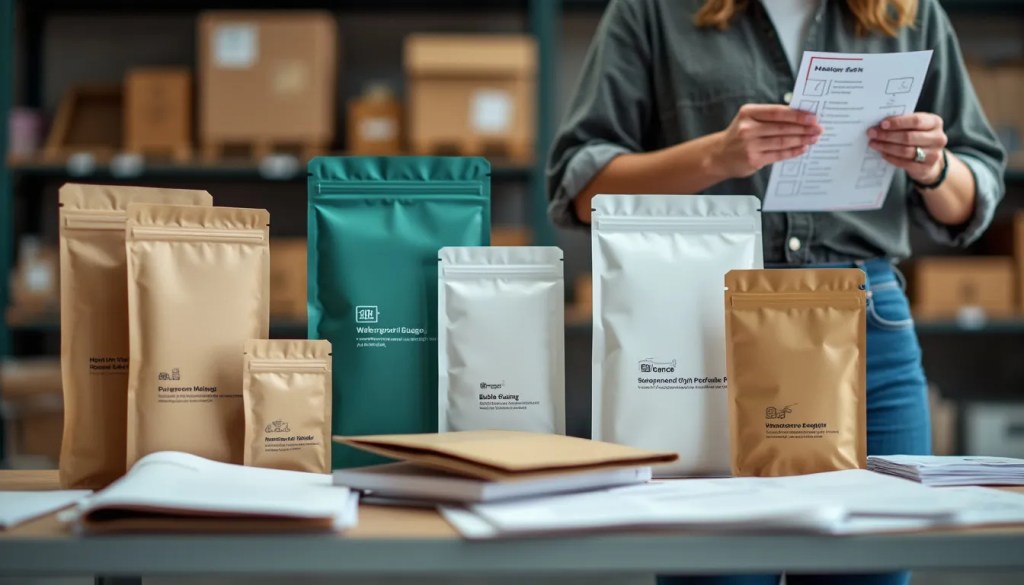


In a world increasingly burdened by the detrimental effects of plastic waste, T-shirt bags emerge as a beacon of sustainability and practicality. These eco-friendly alternatives to conventional plastic bags are making waves in the market, driven by a growing consumer consciousness towards environmental responsibility. Originally fashioned from recycled materials, T-shirt bags have adapted to meet the contemporary demand for durable, reusable, and cost-effective solutions. Their journey from a niche product to a mainstream staple reflects a significant shift in both consumer behavior and corporate policies aimed at reducing environmental footprints.
As the awareness of the catastrophic impact of plastic pollution on our oceans and landfills grows, T-shirt bags stand out as a simple yet powerful tool in the fight against the excessive waste challenging our planet. They not only offer a robust and reusable option for everyday needs but also symbolize a larger movement towards sustainable living. Thus, the rise of T-shirt bags signifies more than just a change in packaging—it marks a crucial step towards a greener, cleaner future.
Introduction to T-Shirt Bags: An Eco-Friendly Shift
Overview of T-Shirt Bags as a Sustainable Option
In a world grappling with the detrimental effects of plastic pollution, T-shirt bags have emerged as a beacon of sustainability. Unlike their traditional plastic counterparts, T-shirt bags are designed to combat environmental degradation. The distinctive features of T-shirt bags, such as their material composition and reusable nature, make them an eco-friendly alternative to single-use plastic bags. As awareness about environmental issues continues to rise, more consumers and businesses are turning to T-shirt bags to reduce their ecological footprint.
T-shirt bags are typically made from materials like recycled plastics, biodegradable polymers, or natural fibers, which ensure minimal environmental impact. Unlike conventional plastic bags that can take up to 1,000 years to decompose, T-shirt bags degrade much faster, reducing the long-term waste burden on our planet. Additionally, their sturdy design allows for multiple uses, significantly lowering the need for single-use plastics. Whether for shopping, transporting goods, or everyday tasks, T-shirt bags offer a practical and sustainable solution that aligns with contemporary ecological priorities.
History and Evolution of T-Shirt Bags in the Market
The journey of T-shirt bags began as a response to the mounting environmental crisis caused by single-use plastic bags. The advent of these eco-friendly options can be traced back to the late 20th century when environmentalists started campaigning against plastic pollution. Early versions of T-shirt bags were made from more robust plastic materials, designed to be reused several times before being discarded. However, as technology advanced and environmental awareness grew, the design and materials used in T-shirt bags evolved significantly.
During the late 1990s and early 2000s, a shift towards more sustainable materials and production methods was observed. Companies began experimenting with recycled plastics and biodegradable materials, giving birth to the modern T-shirt bag we recognize today. Governments and regulatory bodies also played a crucial role in this transition by implementing strict policies against single-use plastics and encouraging the adoption of reusable alternatives. This regulatory support further accelerated the market penetration and acceptance of T-shirt bags globally.
In recent years, the focus has shifted towards even more innovative materials, such as plant-based polymers and organic cotton. These advancements not only enhance the eco-friendliness of T-shirt bags but also ensure that they are durable and practical for everyday use. The versatility and environmental benefits of T-shirt bags have made them increasingly popular among consumers, retailers, and policymakers alike. Today, T-shirt bags are available in a multitude of sizes, designs, and materials, catering to diverse needs while prioritizing environmental sustainability.
The evolution of T-shirt bags is a testament to the broader environmental movement that prioritizes reducing waste and promoting sustainable practices. As the negative impacts of plastic pollution become more apparent, the demand for eco-friendly alternatives continues to rise. T-shirt bags have successfully carved out a niche in the market by addressing these concerns and providing a viable, sustainable option for consumers worldwide. The history of T-shirt bags underscores the critical role that innovation and awareness play in driving positive environmental change.

Environmental and Practical Benefits of T-Shirt Bags
The growing popularity of T-shirt bags isn’t just a fleeting trend; it is rooted in their numerous environmental and practical benefits. As consumers become more aware of the ecological crisis we face, T-shirt bags offer a viable solution to mitigate some of the damage done by conventional plastic bags. Let’s explore the reasons why T-shirt bags are emerging as a favorite eco-friendly alternative.
Reduce Plastic Waste: Impact on Pollution and Landfills
One of the most significant advantages of T-shirt bags is their role in reducing plastic waste. Traditional plastic bags are a major contributor to pollution, clogging oceans and filling up landfills across the globe. These bags take hundreds of years to decompose, leading to long-term environmental consequences. T-shirt bags, often made from biodegradable materials or recycled plastics, decompos much faster, thereby reducing the carbon footprint. This helps lessen the burden on landfills and minimizes pollution in our waterways.
Moreover, T-shirt bags can significantly cut down the volume of single-use plastics being produced and consumed. As a biodegradable option, they break down more easily compared to typical plastic bags, thus limiting the number of microplastics entering our ecosystems. Consequently, switching to T-shirt bags can play a vital role in the fight against plastic pollution and help restore natural habitats.
Durability and Reusability: How T-Shirt Bags Offer a Lasting Solution
Durability and reusability are other crucial factors that set T-shirt bags apart. Unlike flimsy plastic bags that are prone to tearing, T-shirt bags are designed to be robust and long-lasting. This ensures that they can be reused multiple times, further reducing the demand for single-use plastics. The reinforced handles and sturdy material make T-shirt bags ideal for a variety of uses, from grocery shopping to carrying books, enhancing their overall value.
The reusability aspect of T-shirt bags also minimizes waste. By using the same bag multiple times, consumers can substantially decrease the amount of trash they generate. This contributes to a cleaner environment and promotes a sustainable lifestyle. Additionally, the ease of cleaning T-shirt bags makes them a convenient and hygiene-friendly option. A simple wash can restore the bag to its original state, ready for another round of use.
Cost-Effectiveness: Affordable Transition to Eco-Friendly Packaging
Costa-efficiency is another compelling benefit of T-shirt bags. As the market for sustainable products grows, the cost of producing and purchasing eco-friendly alternatives becomes more competitive. T-shirt bags are an affordable option for both retailers and consumers, making the transition to sustainable packaging more accessible. Many businesses find that investing in T-shirt bags can be more economical in the long run due to their durability and reusability. The initial higher cost is often offset by the savings from not having to replace bags frequently.
In summary, T-shirt bags offer an array of environmental and practical benefits that make them an excellent choice for those looking to make an eco-friendly shift. From reducing plastic waste and pollution to their durability, reusability, and cost-effectiveness, T-shirt bags are paving the way for a more sustainable future.
In conclusion, T-shirt bags represent a significant advancement in the pursuit of eco-friendly alternatives to traditional plastic bags. Introduced as a sustainable option, these bags have evolved over time to become a staple in both retail and consumer practices, reflecting a shift towards greater environmental responsibility. The benefits of T-shirt bags are compelling: they play a crucial role in reducing plastic waste, thereby mitigating pollution and decreasing the burden on landfills.
Moreover, their durability and reusability make them a practical choice for repeated use, offering a viable, long-lasting solution. Beyond environmental impact, these bags also present a cost-effective alternative, making the transition to eco-friendly packaging accessible for businesses and consumers alike. As awareness of environmental issues continues to grow, the adoption of T-shirt bags is a positive step towards a more sustainable future.